A Practical Gear Audit for a Safer, Lighter Day in the Field: How to Set Priorities

A Practical Gear Audit for a Safer, Lighter Day in the Field: How to Set Priorities
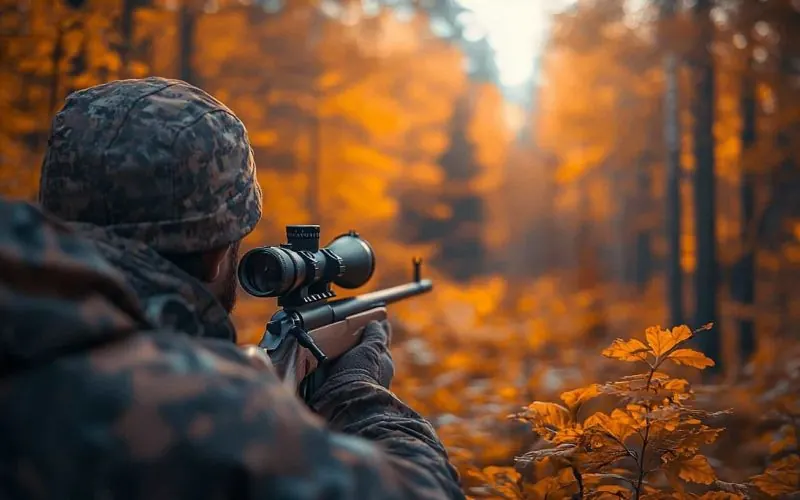
Before leaving the truck, decide whether every item in your pack earns its place. That choice matters when a routine hunt becomes a long walk, a wet afternoon or a delayed return. A useful hunting gear audit is not about owning the most equipment; it is about matching each piece to a clear need, checking that it works and removing duplicates. The result should be a lighter load without compromising safety, legal compliance or the ability to make a clean, responsible decision in the field.

Start with the day's actual demands

Consider a half-day hunt on familiar public land. The forecast is unsettled, the route includes uneven ground and you may need to wait longer than planned before returning. That does not call for every item used on a remote overnight trip, but it requires more than a weapon and a bottle of water.

Write down the conditions before opening a gear drawer. How far will you travel from the vehicle? Are you crossing steep slopes, dense brush or water? Will you move in low light? What happens if you are delayed, separated from a companion or unable to use your intended route home?

These questions separate essential hunting equipment from equipment that is merely familiar. An item earns priority when its absence could create a safety problem, prevent legal compliance, make navigation unreliable or compromise humane shot selection. Comfort matters, but it follows those responsibilities.

Check function, not just presence

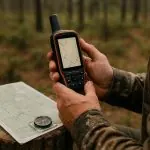
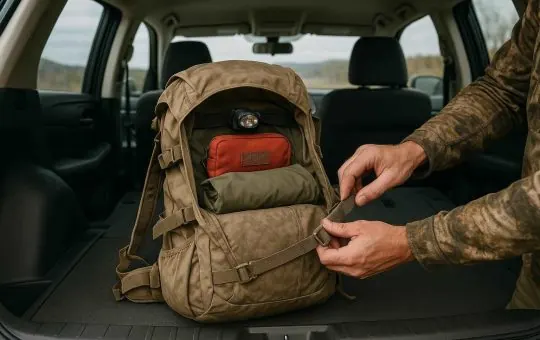
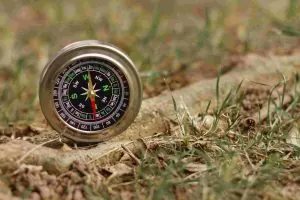
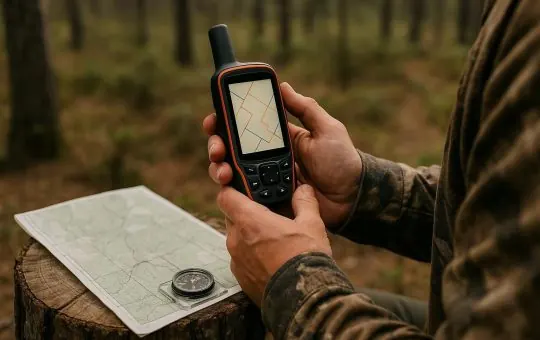
A packed item is not necessarily a ready item. Inspect straps, buckles, closures and batteries. Test the headlamp, confirm that navigation tools have a backup plan and make sure rain protection still seals. A first-aid kit with empty packaging or damaged supplies creates false confidence.

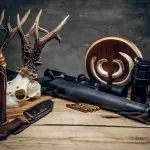
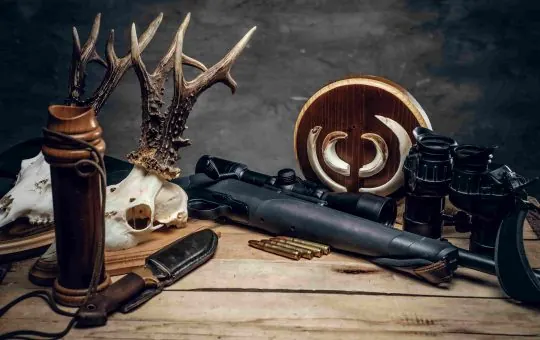
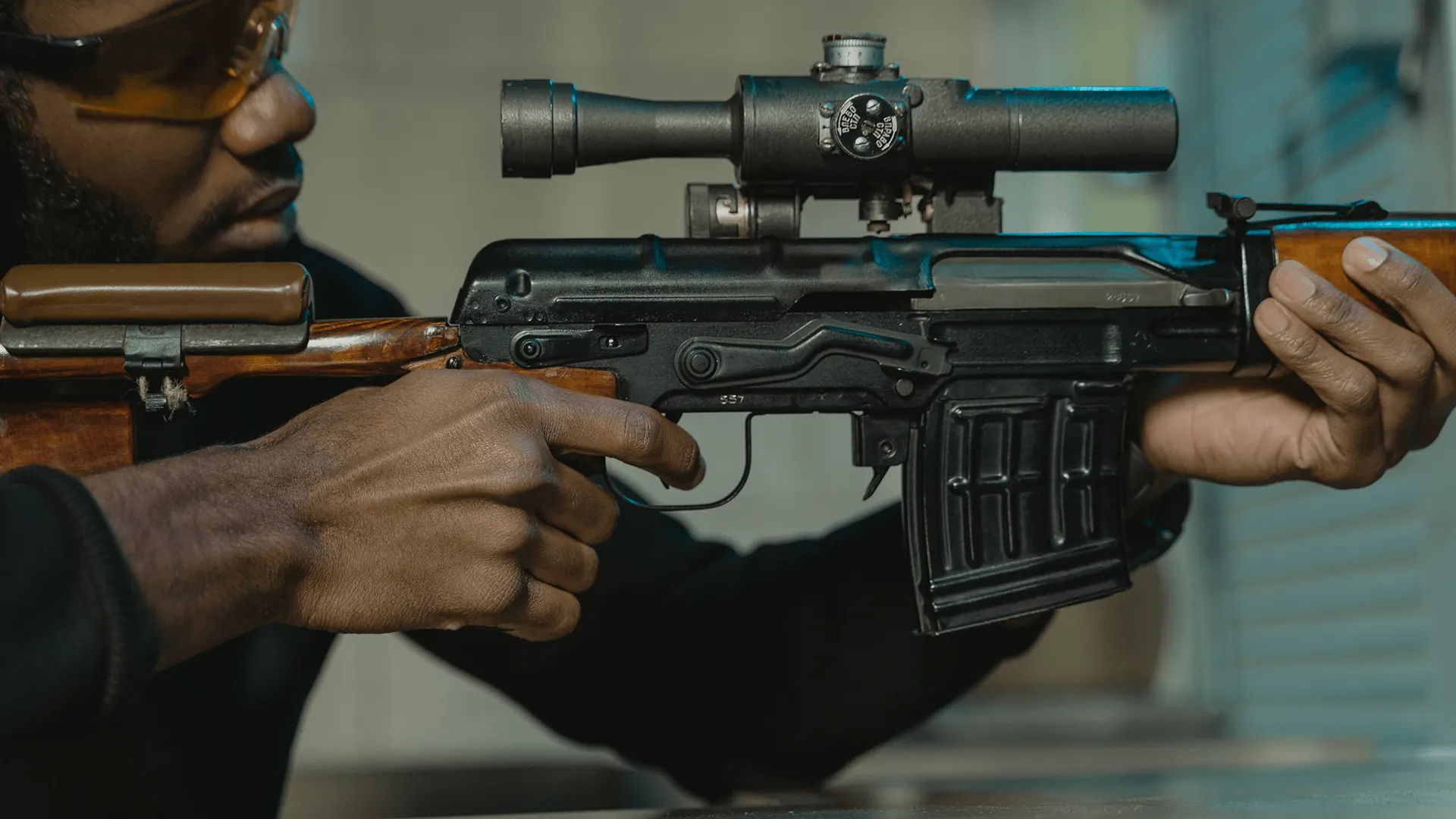
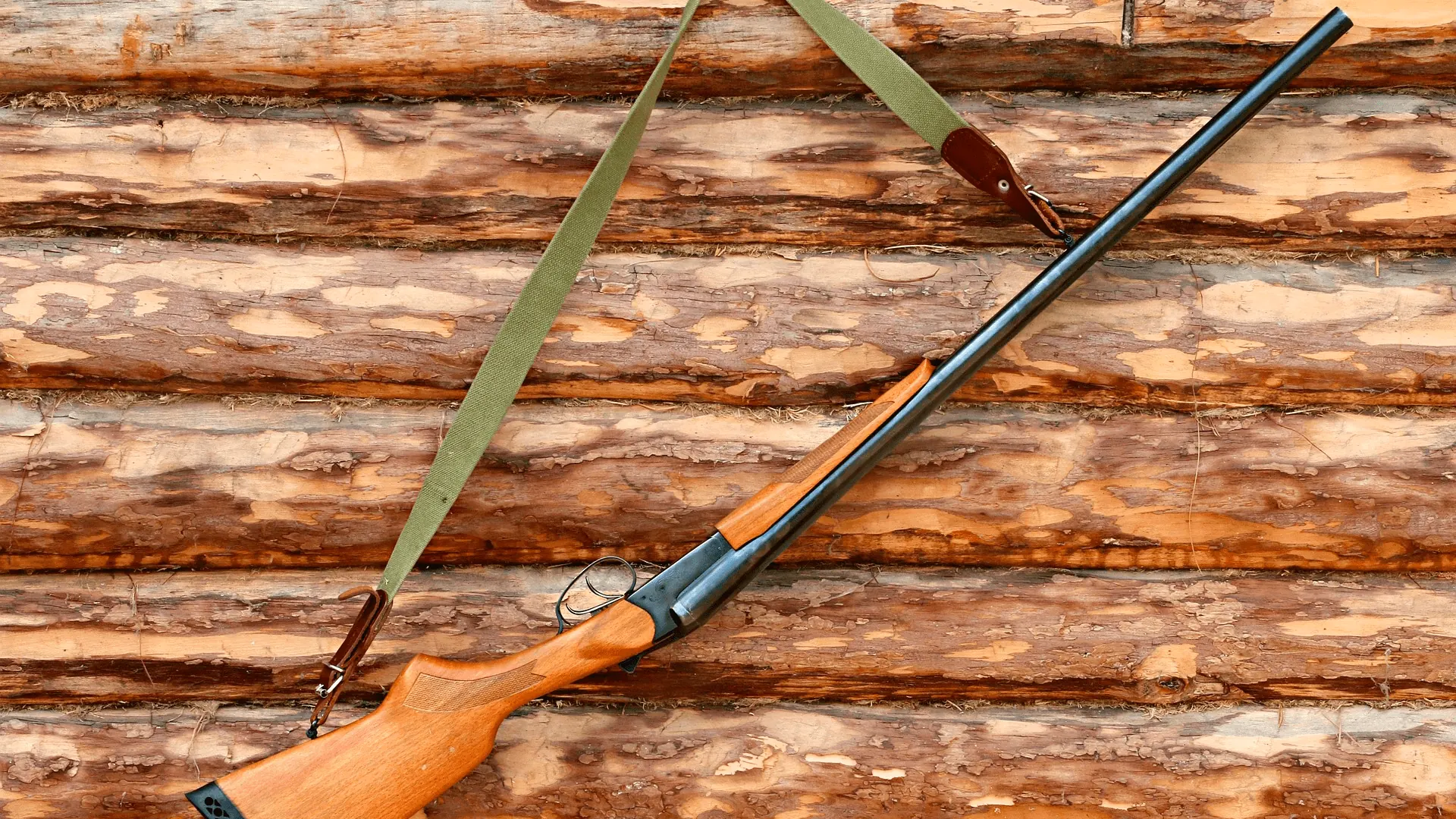
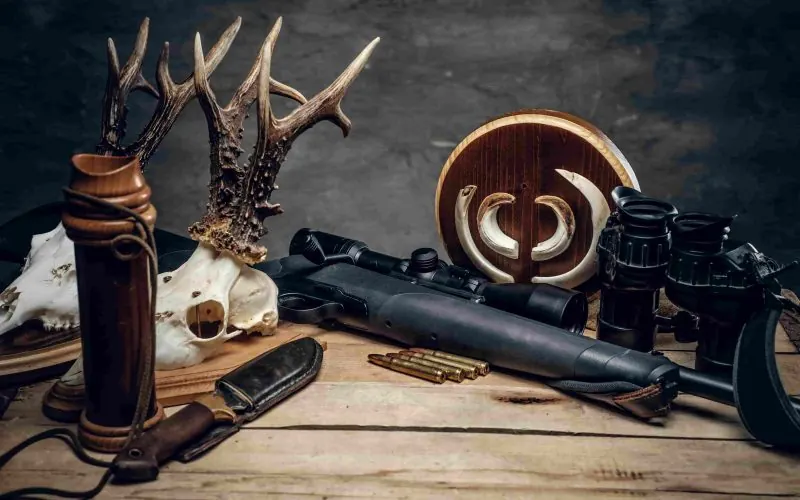
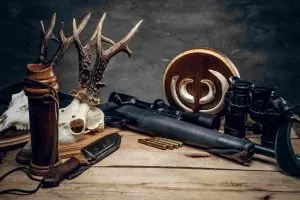
The same principle applies to hunting-specific equipment. Confirm that the firearm or bow is appropriate for the season and legal method, that its safety features operate as intended and that ammunition or arrows are suitable and stored safely. Do not make unfamiliar modifications at the trailhead. If equipment has developed a fault, address it through the manufacturer's guidance or a qualified professional.

Keep licenses, permits and required identification accessible and protected from weather. Regulations can change by jurisdiction, season, species, method and land classification, so verify current official rules before the trip instead of relying on memory. Check transport, tagging, reporting, blaze-color and access requirements where they apply. A gear audit cannot replace reading current regulations.

Remove weight by resolving overlap

Lightweight hunting gear is useful when it reduces strain without removing a safety function. The easiest savings usually come from duplication: several cutting tools, multiple water containers, spare clothing serving the same purpose or electronics with overlapping functions.

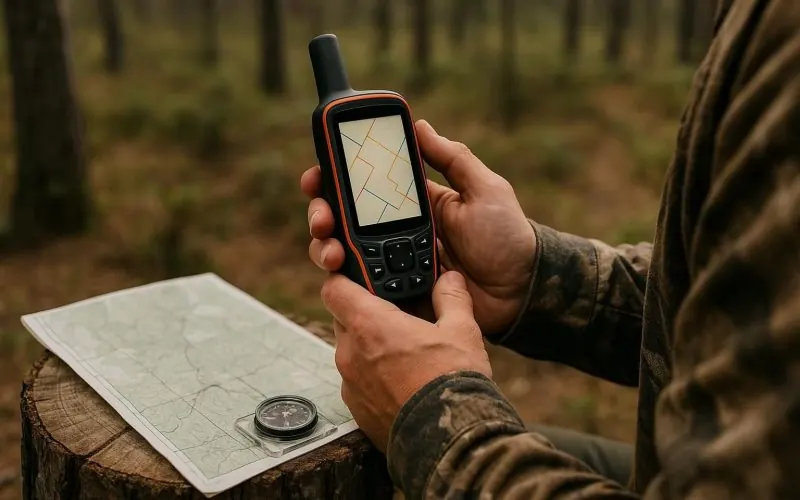
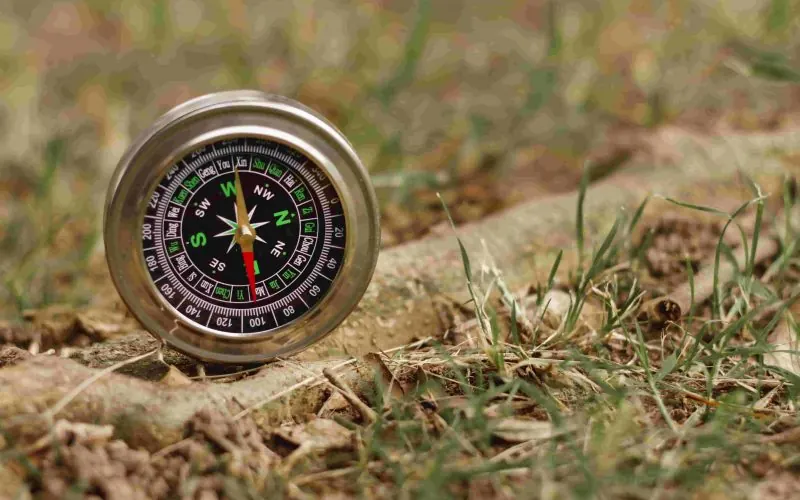
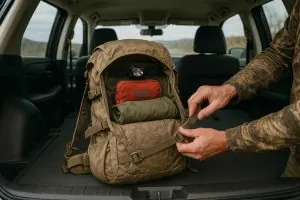
For the half-day outing, place everything on the floor and group it by job: navigation, weather protection, hydration, first aid, communication, field care and food. If two items perform the same task, choose the one that is more reliable, easier to use with cold or wet hands and less dependent on a fragile power source.

Do not reduce weight by leaving behind an item that solves a predictable problem. A shell for changing weather, a way to communicate, enough water for the route and a light source may seem unnecessary at the vehicle. Their value becomes clear when the return takes longer, temperatures drop or a trail is harder to follow than expected.

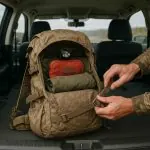
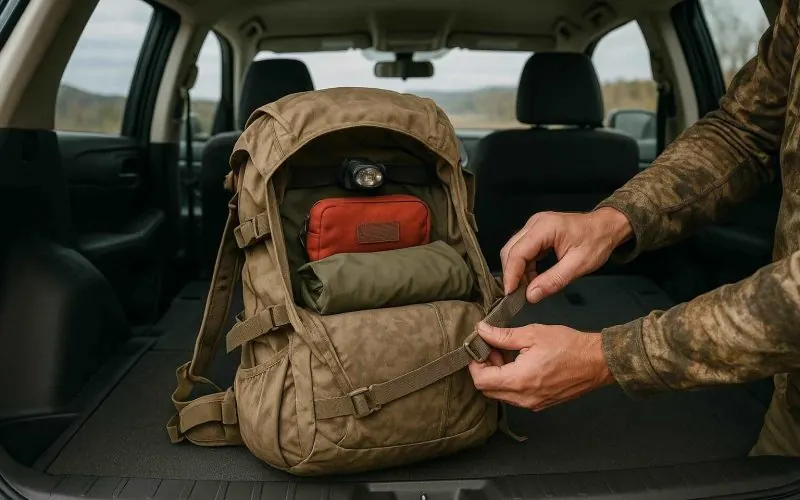
Pack distribution matters as much as total weight. Keep frequently used items reachable without emptying the bag, protect sharp edges and separate wet gear from dry layers. A balanced pack reduces awkward movement and helps preserve attention for footing, safe handling and observation.

Use a short field-readiness checklist

A checklist works best when it prompts decisions rather than becoming a ritual. Before departure, ask:

– Are the current license, permits and land-access rules confirmed?
– Is the planned method legal for the species, season and location?
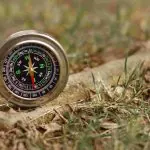
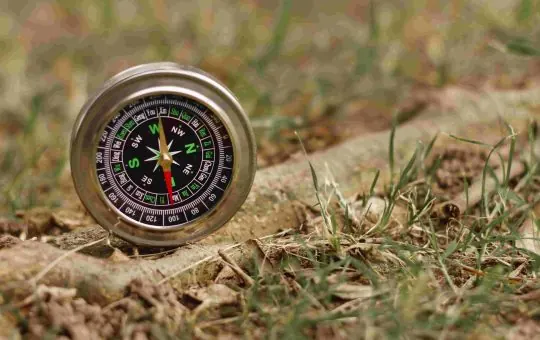
– Can I communicate, navigate and identify my route back if conditions change?
– Are water, food, weather protection, first aid and light matched to the trip?
– Is every weapon unloaded or secured during transport, and ready only under safe conditions?
– Have I checked ammunition or arrows, optics, batteries, closures and straps?
– Do I have a plan for tagging, reporting, field care and carrying out what I harvest?
– What is the turnaround time, and who knows where I will be?

Give the last question a specific answer. Tell a trusted person the general location, expected return and what to do if you do not check in. Do not treat a phone as the entire emergency plan; coverage, battery life and weather can change quickly.

Let ethics shape the final choices

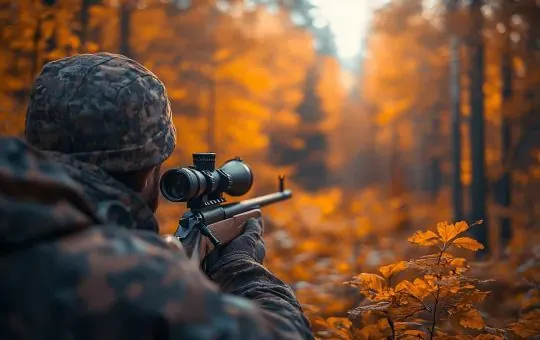
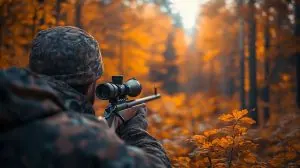
A safer pack supports ethical hunting by creating room for patience. If visibility, footing or identification is poor, the responsible choice is to wait, reposition safely or pass on the opportunity. No accessory can compensate for an uncertain target, an unsafe background or a shot beyond the hunter's practiced ability.

Preparation also includes what happens after a successful harvest. Carry the supplies needed for prompt, lawful field care and a realistic way to transport the animal without damaging habitat or leaving waste. Follow local requirements for evidence of sex, tagging, reporting and carcass disposal; those details vary and may be updated by authorities.

Habitat stewardship belongs in the audit as well. Avoid unnecessary disturbance, respect closures, use established access where required and pack out discarded materials. Do not assume a familiar location has unchanged boundaries or rules. Current agency notices and land-manager guidance should settle those questions.

Return to the truck with an honest review. Which item was difficult to reach? What failed, ran out or proved unnecessary? Record that observation before the next trip, then adjust one or two things rather than rebuilding the entire system. Good field preparation is a continuing practice: enough equipment to manage real risks, less clutter to distract from sound judgment and a clear commitment to hunt within both the law and the limits of the situation.

Leave a Reply

Your email address will not be published. Required fields are marked *