Before You Set a Stand, Verify the Boundary: A Practical Pre-Season Check
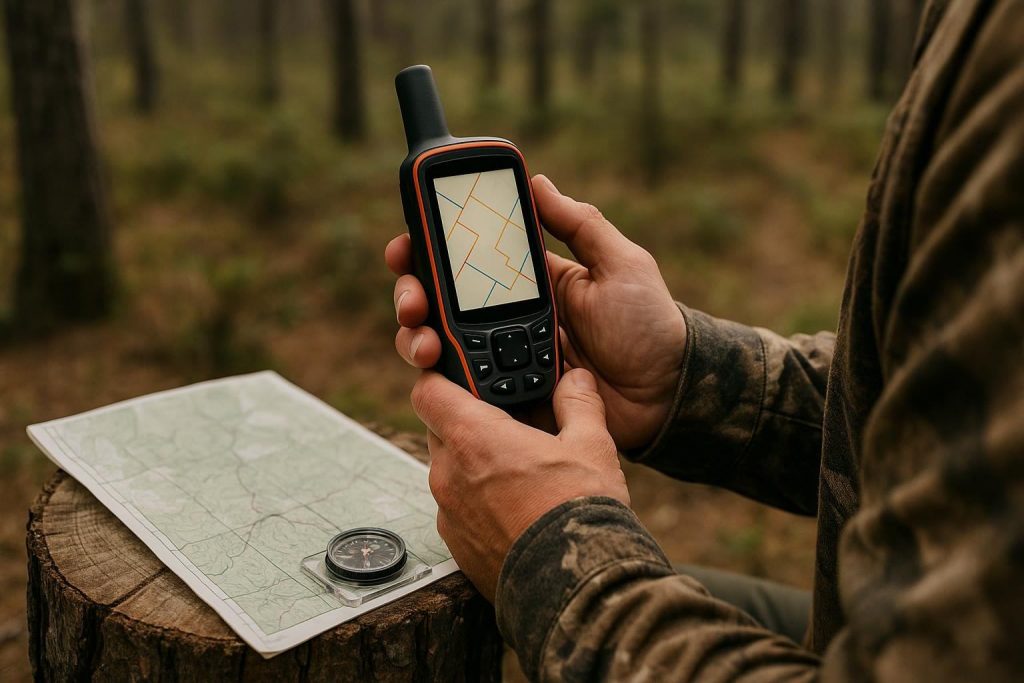
Verify Your Boundaries Before Setting Up: Essential Pre-Season Tips
A simple step can make a difference, in your hunting experience: do you know where you are allowed to hunt? Knowing the boundaries is very important. Sometimes a fence, a road or an old logging path might look like the edge of a property. They might not always match the legal lines. Being means checking access rights, understanding where the property ends and setting up your hunting spot so you are completely on the land. This preparation helps avoid problems before you even go into the field.
Permission is Everything: Start with the Landowner
Getting onto a piece of land starts with talking not just looking at a map. Your first contact should be the landowner, the person who has a lease or the right authority for land. Find out clearly what area you are allowed to hunt, what dates or times that permission covers and if it includes scouting setting up stands driving cars or picking up game.
It's important to know that permission to hunt doesn't always mean you can do everything. Parking, going across properties or cutting down plants might be limited too. Talk about these things ahead of time to avoid problems. A written agreement is very useful even if its not required because it helps in case of arguments. Make sure you can get this information easily in places where cell service's bad. Old messages or family traditions about what was allowed in the past might not be true anymore.
Double-Check Boundaries with Multiple Sources
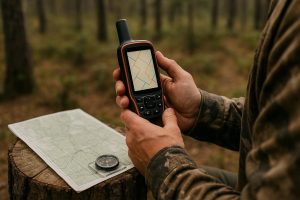
Use two or three sources when you are setting up the boundaries for your hunting area. Start with a map of land or a map that shows the parcels talk to the landowner and then look at the land itself. Online help can be good. It might not be accurate. Remember that pictures from above don't show where the property lines are.
Watch out for changes like fences that move roads that change or trails that cross land. Things like streams can also change, sometimes getting covered by bushes. If there is a difference between what your map shows and what you see on the ground treat that place as uncertain until you get an answer from an official or the landowner.
It's an idea to mark an area on your map that you won't go into. This area should be big enough to handle any doubts of trying to be as close to the edge as possible. When you are not sure it's better to stay from the line.
Plan Your Route Thoroughly Not Just the Stand
Even if you are on the land there can be illegal situations if your way in involves land you are not allowed to cross. Map out the path from where you park or start to your hunting spot. Be careful about roads, water crossings, peoples land and signs that say something.
If you can walk this path in the daytime before the season starts. Make sure that any gates are allowed to be opened and be careful not to break anything like fences. If you need to go through a neighbors land ask for permission first. Remember, it's better to take a but right way than to risk entering land.
Also watch for dangers like drops, weak edges or hard water crossings and places that are not easy to see. Tell a friend where you are parking. Which way you are going and update them if your plans change.
Assess Ethical Shot Conditions in your Setup
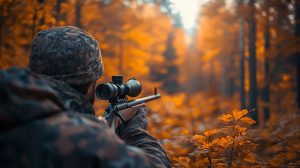
Once you are sure about the boundaries think about the spot you picked from the point of view of shooting. It's not enough to see where the animal comes from; you have to think about where your bullet or arrow might go if you miss or if the animal is hit and runs. Think about places like homes, roads, animals and other hunters. A property line does not mean there is something to stop the bullet.
Avoid setting up a stand or a hiding place where your shot could go toward a place you're not sure about. Learn about the rules where you live about using bait attracting or feeding as these can be different. Before you think something is still allowed check the rules.
If your setup means changing the area like cutting branches or putting equipment on a tree get permission first. It's important to keep things as they're near water or places that are important for animals. Leave nothing behind no trash or signs when you go.
Make Final Checks Before You Commit
Remember rules can change between when you plan and when the season starts. It's important to check the information from the wildlife office the landowner or the public land manager. Check the dates the papers you need the way you tag animals the weapons you can use the time you can shoot the rules about carrying animals and how to find an animal. Always trust the information.
Before you finish your setup make sure:
– You have permission for the land the way and the spot you choose.
– The map you have matches with sources.
– Your way in and the way to get back are on the land.
– The direction you shoot is clear of homes, roads, animals, trails and uncertain lines.
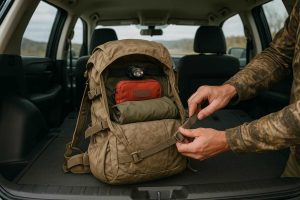
– All the papers and equipment you need are there. Are up to date.
– A friend knows where you are parking the way you are going and when you expect to come
– The place is clean no trash or markings.
If you have any questions left it's better to wait or choose a spot. Losing your place is a cost compared to possible problems with trespassing, safety issues or breaking relationships with landowners. It's also better, than having to find an animal.
Checking your boundaries combines hunting behavior with steps to prepare before the hunt. It affects where you park, how you walk in where you go and when you decide not to shoot. This thinking helps you have access and keeps things simple giving you a start to make choices when you are out there.